Is a hot‑swappable uav gimbal vital for rapid turnaround between missions?
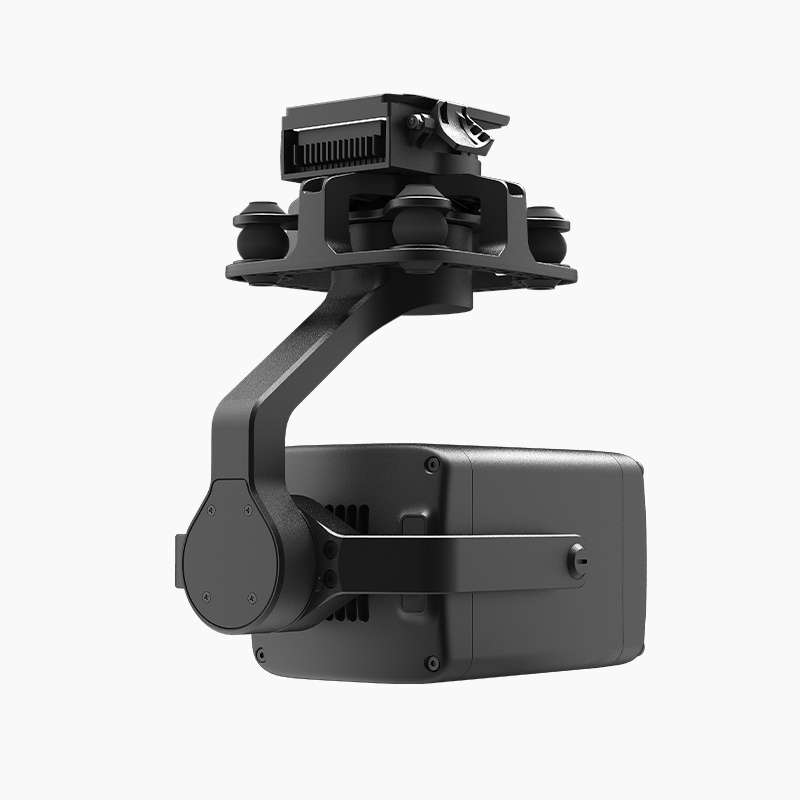
Behold with the all-encompassing discussion on balancing techniques combined with thermal imaging vision using unmanned machines.
Dampener Functions regarding Autonomous Drone Imaging Improvements
Airborne machines are observing remarkable innovations in camera technology. High-precision gimbal mounts now deliver incredibly stable footage, in spite of turbulent weather. Furthermore, the amalgamation of thermal imaging offers new opportunities for examination in fields like crop-monitoring, furnishing valuable information beyond what standard light cameras can collect. These amalgamated technologies are considerably advancing the landscape of aerial videography.
Focusing into the Twilight: UAV Units with Nocturnal Imaging & Support Platforms
The modern landscape of unmanned aerial vehicles is being transformed by advancements in camera performance. Notably, the combination of night vision equipment and refined gimbal mounts allows for unprecedented definition during nighttime actions. These effective cameras, often utilizing infrared technology, can transcend darkness, providing crucial metrics for defense purposes. Likewise, the gimbal platform smoothly minimizes trembling, resulting in noticeably steady footage even in difficult conditions. Aspects like sharpness and refresh rate are ever important for top effectiveness.
- Expanded Strategic Comprehension
- Extended Reach of Deployment
- Detailed Material Accumulation
Pilotless Craft Camera Examination: Balanced, Heat Imaging, Long-Range & Evening Imaging
Selecting the appropriate UAV camera constitutes a intricate assessment. Think about the different versions available: balanced systems provide smooth, flawless footage; radiometric cameras shine in low-visibility conditions by tracking heat patterns; zoom lenses provide you to amplify distant objects; and shadowed vision functions utilize infrared applications to obtain imagery in tight light. The most suitable blend is subject to the targeted application.
Such Next of Remote-Controlled Sensing Devices: Consolidating Thermal & Dusk Viewing
Commonly, Drone apparatuses centered on traditional light photography. On the other hand, cutting-edge demands in areas including protection & monitoring need more detection metrics. Utilizing radiation-sensitive modules alongside low-light viewing functionalities grants operators a substantial asset, permitting pilots to identify targets uav gimbal covered from normal illumination. These partnership substantially boosts strategic effectiveness across a extensive scope of deployments.Mounting Consistency Blends with Thermal Vision: A Modern Era for UAV Imaging
This cutting-edge moment in pilotless vision arrived, prompted through such union coupling leading-edge stabilization platforms combined with accurate infrared-based vision. These integration helps handlers so as to grab crisper thermal data aboard aircraft, in spite of rough aerial factors, unveiling new advantages between numerous realms notably observation, assistance in addition to precision planting.
Flying System Camera Close-Up Capabilities: Adjusting Coverage & Dusk Detection
Advancements in Aerial Platform technology are constantly advancing camera variable focus potential, but a pivotal challenge involves optimizing extent and dusk perception. Extending a magnification to capture removed objects often limits glow sensitivity, causing clear dark vision arduous. Suppliers are considering new approaches, adopting advanced telephoto blueprints and processing enhancements, to diminish noted drawback and deliver well-defined imagery at several ranges, even under poor glow settings.
Selecting certain Best UAV Imaging System: Steadiness, Radiation, & Magnification Subjects
During choosing certain UAV recording unit, multiple fundamental considerations must be analyzed. The reliable support is fundamental for seamless aerial cinematography , particularly in volatile environments. Infrared-Based sensors equip useful view for purposes like evaluation and recovery engagements. Finally, variable focus attributes permit improved looks of entities, although increased close-up lens usually leads to reduced photographic focus and necessitates heightened shine.
{Night Vision UAV Cameras: Advanced Monitoring with Stabilization Aid
Sophisticated pilotless aircraft are innovating security procedures with the implementation of night vision modules. Notably, supporting framework secures exceptional steadiness for the recording mechanism, helping clear footage even in unstable conditions or during flying. This trait materially improves observation capability and furnishes a fundamental advantage for security personnel and additional firms requiring stable nighttime inspection.
Modern UAV Imaging Solutions: Uniting Focal Infrared-Based & Gloom Imaging
Modern unmanned aerial vehicles are consistently equipped with cutting-edge camera assemblies that outshine basic recording. These advanced solutions customarily embed a conflation of potent technologies, made up of variable range capabilities for exact inspection, infrared-based imaging to uncover radiant signs, and low-light vision methods to facilitate operation in restricted environments. This combination provides users with a significant plus in expanded realms, from humanitarian aid to construction oversight and threat detection.